
 Ktorý zombie ste?
 Súboj zombie
 Ujsť im
 Zbierka kariet
 Jazyk: Slovenčina
 Nakŕmte hordu (pokladnička na sprepitné)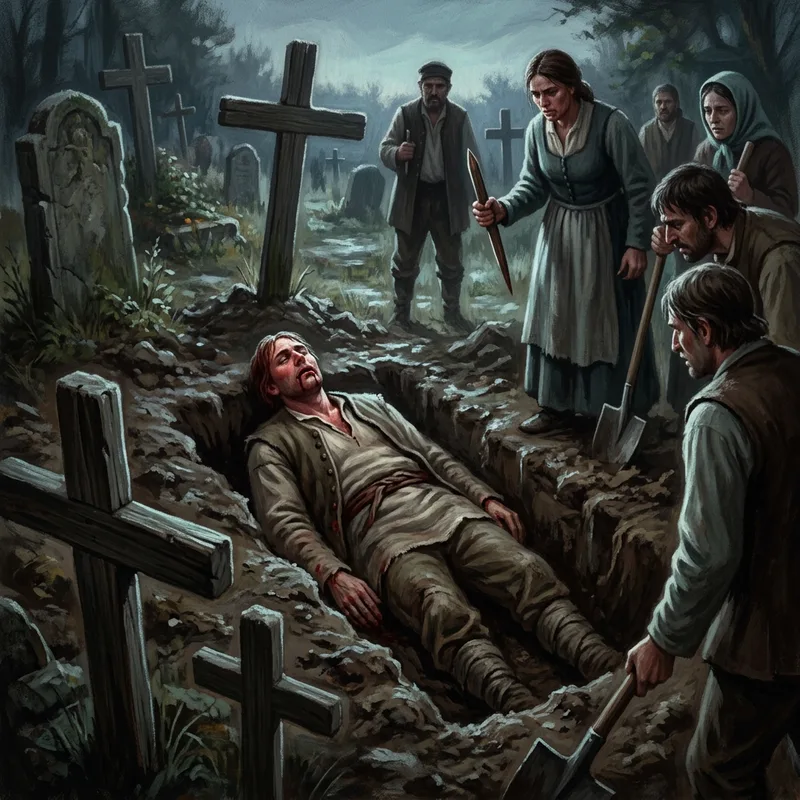
Spis č. 044 z 446
Peter Plogojowitz
Nazývaný aj: Petar Blagojević, Петар Благојевић
Peter Plogojowitz is one of the best documented cases of a village destroying a suspected walking corpse. After a run of sudden deaths in Kisilova in 1725, the villagers forced the local Austrian administrator to witness the exhumation, staking and burning of the dead man. His report was printed in the Vienna paper Wienerisches Diarium and reprinted across Europe. Together with the Arnold Paole affair it launched the 18th-century vampire debate, and the 'signs' he described are now understood as normal decomposition.12
Prvý záznam
1725
Report by the Austrian Imperial Provisor Frombald, 1725Pôvod
Serbian
SrbskoČo ho spôsobuje
Nikdy nevysvetlené
The villagers gave no cause; they simply identified the dead man as the source of the deaths.Slabé miesta
- a stake through the heart
- burning the body
Kedy sa prvýkrát objavil?
Staroveký svetStredovekOd 1500 do 1899Od 1900 do 1967Od 1968 do 1999Od 2000 do 2009Od 2010 do dnes 1725
1725
1725Report by the Austrian Imperial Provisor Frombald, 1725
terénne poznámky
Čo hovoria zdroje
Zdroje
Každý fakt na tejto stránke pochádza z týchto zdrojov, napísaný našimi slovami. Všimli ste si chybu? Napíšte nám na [email protected].
 Vampir (South Slavic)
 Arnold Paole
 Jiangshi
 Zombi (Haitian)
 Strigoi
 Abhartach
 Churel
 Nachzehrer